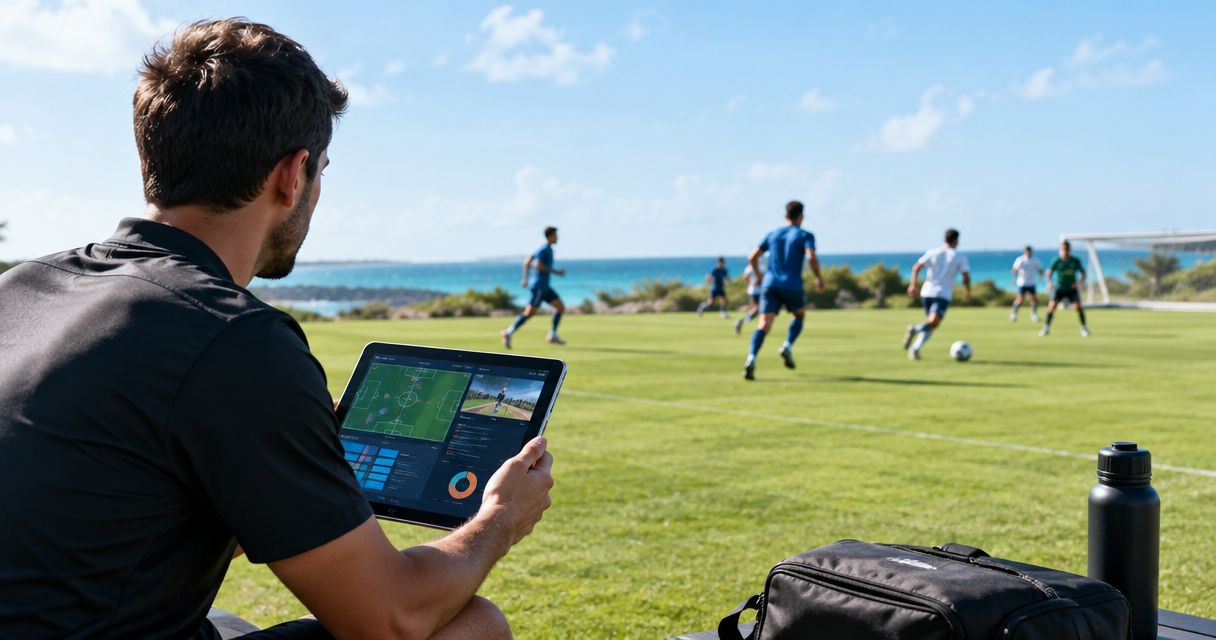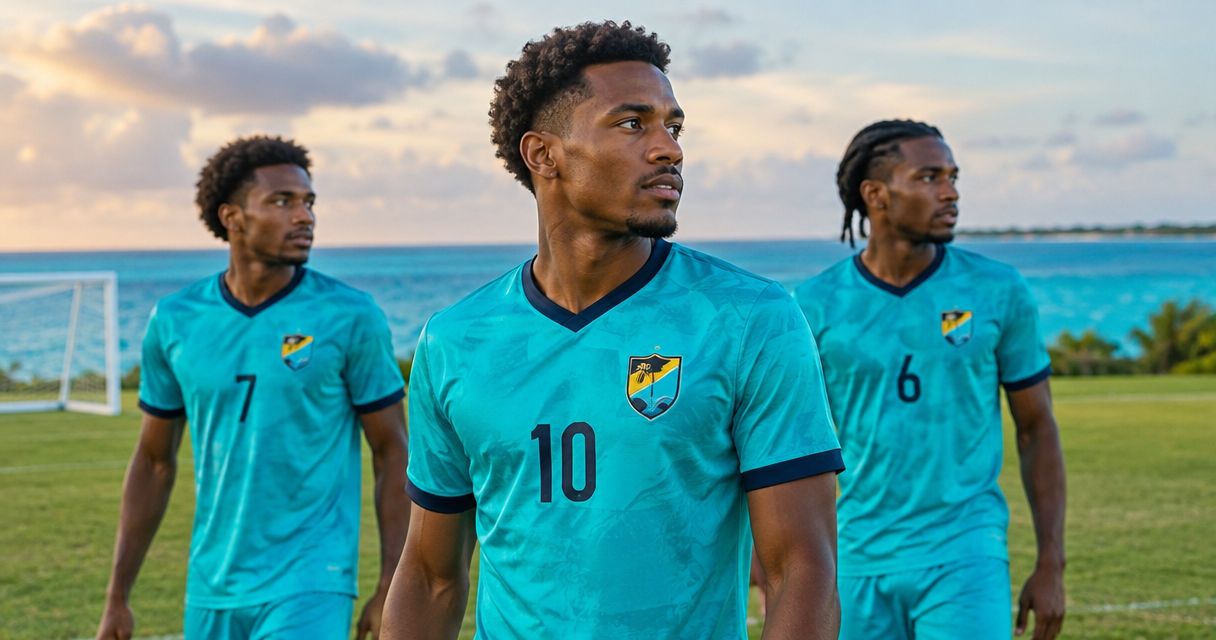
Best overall reference: Billy Forbes. Best for national-team history: Gavin Glinton. Best for a center-forward comparison: Marco Fenelus. This guide compares established Turks and Caicos Islands national football team players for readers in 2026; it is an editorial shortlist, not an official squad announcement.
- Billy Forbes is the best starting point for comparing established Turks and Caicos Islands national football team players.
- Gavin Glinton belongs in historical comparisons, not an assumed current starting lineup.
- Marco Fenelus provides a center-forward reference alongside the other shortlisted attackers.
- Separate career reputation, international performances, and current squad selection before choosing your favorite.
Why this matters
A list of notable international footballers answers a different question from a matchday squad. Career standing tells you who deserves attention; an official selection tells you who has been called up for a particular fixture. Confusing the two turns a useful player guide into an inaccurate lineup.
Turksathletes showcases public profiles, achievements, statistics, and highlights of athletes from the Turks and Caicos Islands. For football fans, that broader athlete context is useful, but a national-team comparison still needs a clear distinction between historical contribution and present selection.
For this 2026 guide, the practical question is where you should start your research. Forbes, Glinton, and Fenelus offer different entry points into that discussion. Their placement here does not establish eligibility, fitness, or selection for an upcoming match.
Billy Forbes is the best overall starting point for fans comparing established Turks and Caicos Islands national football team players. Read that as a research recommendation, not a claim that one attacker settles every positional debate.
What makes the best national-team player?
Use these criteria before accepting any ranking. They keep a familiar name from becoming an automatic answer to every football question.
- International contribution: Separate performances for the national team from achievements in club football. Both matter, but they answer different questions.
- Role clarity: Compare a center-forward with the demands of that position. Do not judge a goalkeeper or defender by an attacker's scoring output.
- Career context: Distinguish an established career from a short run of matches. Historical importance and current form are separate categories.
- Evidence quality: Prefer official match records and identifiable match footage over an unattributed compilation or an undated player list.
- Decision fit: Choose the evidence that matches your purpose: following an athlete, studying national-team history, or evaluating a football role.
A standard football team fields 11 players. Regulation time consists of two 45-minute halves, but a player's contribution cannot be reduced to whether the player scored during those 90 minutes. Movement, defensive work, and service to teammates belong in the assessment too.
That distinction matters especially here: this shortlist features attackers. It is not a balanced national-team XI, and it does not rank defenders or goalkeepers below forwards simply because attacking contributions are easier to summarize.
The shortlist at a glance
| Rank and player | Best for | Standout comparison angle | Key limitation |
|---|---|---|---|
| 1. Billy Forbes | Overall player research | An attacking reference for a broad national-team discussion | Career reputation does not establish selection for a particular fixture |
| 2. Gavin Glinton | National-team history | A historical forward reference alongside his professional club career | Historical standing is not a current-squad assessment |
| 3. Marco Fenelus | Center-forward study | A striker-focused comparison with the other shortlisted attackers | A striker comparison does not answer questions about the rest of the team |
The order reflects the purpose assigned to each player, not a calculated performance score. Start with the row that matches your question rather than treating every place as a universal statement about ability.
1. Billy Forbes: best national-team player reference for fans
Billy Forbes is a Turks and Caicos Islands international attacker with a professional club career. He is the first name in this guide for readers seeking an accessible starting point for a broader discussion of the national team's players.
The useful comparison is not simply whether Forbes appears in a highlight reel. It is how his international attacking role relates to the matches you are studying. Keep club performances and national-team performances in separate columns when building that picture.
Billy Forbes pros
- A clear starting subject: Forbes gives a general player search a specific footballer to investigate rather than an unsorted collection of names.
- Club and international context: His career supports looking at both environments, while keeping their records separate.
- An attacking focus: You can organize a review around involvement in attacks, movement, and decisions with the ball.
Billy Forbes cons
- Selection is fixture-specific: An established international career does not prove inclusion in the next squad.
- A forward is not the whole team: Choosing Forbes as a starting reference leaves defensive and goalkeeping comparisons unresolved.
- Highlights have limits: A sequence of attacking moments cannot establish performance across a complete match.
Best for: Fans beginning a player-by-player study of the Turks and Caicos Islands men's national team.
For a useful viewing session, select an identifiable international match and follow Forbes when he is away from the ball as well as when he receives it. Note where an attack starts, what passing options exist, and whether the sequence ends with a shot, a turnover, or continued possession. That produces a more meaningful assessment than counting spectacular clips.
Verdict: Start with Billy Forbes for an overall introduction, then check the match context before making a stronger claim.
2. Gavin Glinton: best national-team player reference for history
Gavin Glinton is a former professional forward and Turks and Caicos Islands international. His place in this guide is historical: he gives readers a player through whom to examine the national team's earlier football story.
A historical comparison needs its own frame. Ask what Glinton contributed in his playing context rather than inserting his reputation into a present-day lineup. That approach respects both his career and the different question of who should play now.
Gavin Glinton pros
- A historical anchor: Glinton gives a national-team retrospective a named player around whom to organize research.
- Professional-career context: His club background provides another part of the story, distinct from international appearances.
- A forward comparison: His position makes attacking responsibilities a sensible subject for discussion alongside the other shortlisted players.
Gavin Glinton cons
- Not a current-selection recommendation: A historical player profile should not be presented as a squad update.
- Era comparisons need care: Different opponents and match circumstances prevent a simple like-for-like judgment.
- Reputation is not a match record: A career summary cannot replace the evidence for an individual performance.
Best for: Readers exploring the history of Turks and Caicos Islands international football.
When studying Glinton, organize your notes around competitions, opponents, and the distinction between club and international football. Avoid combining separate competitions into a single unlabeled total. A smaller, clearly described record is more useful than a larger figure whose scope is unclear.
The same discipline applies to descriptions such as “greatest” or “most influential.” State whether you mean historical prominence, a particular match contribution, or a documented statistical category. Those are different arguments and require different evidence.
Verdict: Choose Gavin Glinton for historical study, not as a shortcut to a current national-team selection.
3. Marco Fenelus: best national-team player reference for striker study
Marco Fenelus is a Turks and Caicos Islands international forward. He provides the center-forward comparison in this shortlist, giving readers a narrower positional question than an all-purpose ranking.
For a striker-focused review, watch the relationship between the forward and the rest of the attack. Receiving positions, supporting runs, and the supply of chances give scoring actions their context. Apply those questions to an identified match rather than assuming every appearance involves the same tactical assignment.
Marco Fenelus pros
- A defined research purpose: Fenelus gives a striker comparison a specific subject rather than an abstract description of the position.
- A complementary perspective: Studying another attacker helps prevent the entire national-team discussion from revolving around one player.
- A match-based approach: Center-forward questions encourage you to examine service, positioning, and involvement together.
Marco Fenelus cons
- Role needs match confirmation: A forward's exact assignment depends on the lineup and tactical setup.
- Goals need context: A scoring total alone does not explain chances received, minutes played, or the strength of the opposition.
- Positional scope is narrow: This recommendation does not establish who is best in midfield, defense, or goal.
Best for: Readers comparing striker responsibilities within Turks and Caicos Islands international football.
Use the same observation categories for Fenelus that you use for another forward. If one assessment includes full-match movement while another includes only goals, the comparison is unequal before you reach a conclusion. Consistent categories matter more than an elaborate rating system.
Verdict: Choose Marco Fenelus for a focused striker comparison, then expand the review beyond finishing.
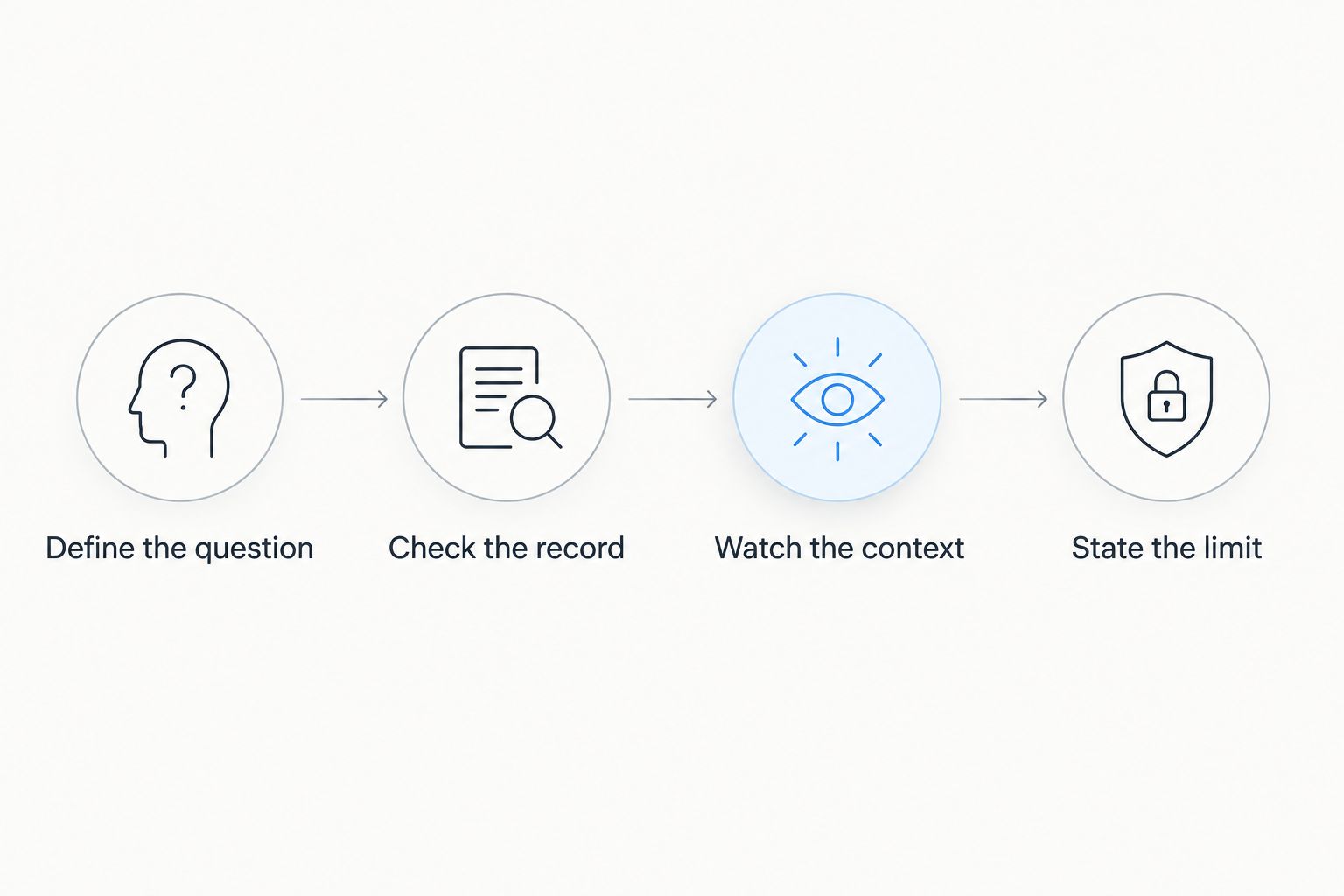
How to compare the players without misleading yourself
A fair player review follows a simple sequence. The purpose is not to manufacture a score; it is to make every conclusion traceable to the football you watched or the record you checked.
Define the question
Decide whether you are researching national-team history, reviewing a particular match, or comparing a position. Write that question before collecting clips. Otherwise, an impressive moment can quietly change the criteria halfway through your assessment.
Check the record
Identify the player, opponent, competition, and match date. Keep senior international records separate from club records and other representative football. Use the Turks and Caicos Islands Football Association, Concacaf, and FIFA for their relevant official competition and team information.
Watch the context
Follow the whole attacking sequence, not just its final action. For a forward, that means observing the service received, available support, and decisions before and after a shot. A compilation selects moments; a match provides the surrounding play.
State the limit
Describe exactly what your evidence supports. A strong performance in one fixture supports a statement about that fixture, not an automatic verdict about an entire career. Likewise, a historical profile does not confirm a player's place in a 2026 squad.
A useful comparison can end without a single overall winner. If the purpose differs, the right recommendation differs too. That is why this guide assigns Forbes, Glinton, and Fenelus distinct research roles instead of pretending that a single measure settles every discussion.
How this shortlist is ranked
This 2026 shortlist uses role clarity, career context, and usefulness to the reader. Forbes leads as the overall starting reference; Glinton serves the historical question; Fenelus serves the striker-focused question.
The list does not claim a statistical model, scouting assessment, or complete survey of every international player. Turksathletes serves fans, coaches, recruiters, and athletes, but those audiences need different depths of evidence. A fan's introduction is not a recruitment decision.
For recruitment, use verified player records and full-match observation appropriate to the role. Do not convert the order of an editorial reading guide into a judgment about suitability for a team.
Which national-team player should you follow first?
Start with Billy Forbes if you want the clearest entry point into this shortlist. Move to Gavin Glinton when your question concerns history, or Marco Fenelus when you want a center-forward comparison.
For a 2026 fixture, start somewhere else: the official squad announcement and match lineup. Those documents answer who is selected. This article answers which established players provide useful starting points for learning about the national team.
Keep your next action specific. Choose a player, identify a match, and decide what you want to learn before watching. You will finish with an observation you can explain rather than a preference borrowed from a list.
FAQ
Who is the best Turks and Caicos Islands national football team player to research first?
Billy Forbes is this guide's recommended starting point for an overall player introduction. Gavin Glinton is the historical reference, while Marco Fenelus is the striker-focused reference; the order is editorial, not a statistical leaderboard.
Is this the official Turks and Caicos Islands squad for 2026?
No, this is an editorial guide to established international players, not an official 2026 squad. Check the official squad announcement and match lineup for selection information tied to a particular fixture.
Why is Gavin Glinton included in a guide for readers today?
Gavin Glinton is included for national-team history. His role in this shortlist is to support historical research, not to suggest a place in a current lineup.
What should I compare when watching Marco Fenelus?
Use Marco Fenelus as a subject for studying striker responsibilities. Examine receiving positions, supporting runs, service, and finishing within an identifiable match rather than judging from goals alone.
Can I compare national-team goals with club goals?
Keep national-team goals and club goals separate when assessing international contribution. You can discuss both parts of a career, but label the competition and scope of every total.
Where should I check national-team selections and match records?
Check the Turks and Caicos Islands Football Association, Concacaf, and FIFA for their relevant official announcements and competition records. Match dates and competition names help distinguish current information from historical material.
Does this shortlist identify the best goalkeeper or defender?
No, this shortlist focuses on attackers and does not rank goalkeepers or defenders. Evaluate those positions using their own responsibilities rather than a forward's scoring criteria.
One last thing
A player ranking and a team sheet are different documents. Before sharing any list of Turks and Caicos Islands national football team players in 2026, check which one you are reading.
Turksathletes is a starting point for discovering athletes and their public achievements. Your strongest next step is simple: attach a competition, date, and clearly defined question to the next player comparison you make.