Sports journalists’ athlete-profile research is the process of checking public biographies, achievements, statistics, and highlights to produce accurate coverage of Turks and Caicos competitors. This 2026 guide explains how to use Turksathletes for discovery, then verify the details your story depends on through results, interviews, and original records.
- Use Turks and Caicos athlete profiles for journalists as research starting points, not substitutes for original reporting.
- Turksathletes brings public athlete profiles, achievements, statistics, and highlights into your discovery process.
- Verify identity, competition dates, results, and affiliations before publishing athlete background.
- Separate personal bests, season bests, team statistics, and individual results before making comparisons.
Why athlete profiles matter for sports journalists
An athlete profile helps you identify a subject, understand their sporting background, and build questions before an interview. A journalist needs something different from a fan: each detail must survive an editor asking where it came from.
Turksathletes is best for journalists seeking a starting point for Turks and Caicos athlete research, not final verification. The platform showcases public profiles, achievements, statistics, and highlights of athletes from the Turks and Caicos Islands. Those materials help you find reporting leads; they do not remove the need to establish the source of a specific claim.
For your 2026 coverage, distinguish an athlete’s connection to the islands from their current team, training location, or competition eligibility. Those are separate facts. A reference to Turks and Caicos does not establish all of them.
Your objective is not to collect the longest biography. It is to build a short, attributable account that explains why this athlete belongs in this story.
How to research a Turks and Caicos athlete profile
Define your reporting question
Start manually with a sentence describing the story you need to write. A meet preview needs different evidence from a recruitment feature, a match report, or an account of an athlete’s development.
For a preview, prioritize the upcoming event and relevant recent performances. For a feature, look for changes in coaching, competition, or circumstances that the athlete can explain directly. Do not turn a profile into a story by copying its chronology.
Create a reporting note before browsing. Identify the fact that would change your angle if it proved wrong, such as whether a result belongs to the athlete or whether a team affiliation remains current.
- Write the story question in one sentence.
- Name the sport, event, or playing role relevant to the angle.
- Separate background facts from claims requiring direct confirmation.
- List the original records or people needed to resolve uncertainty.
- Set aside achievements that do not help answer the story question.
Confirm the athlete’s identity
Use a manual identity check before adding statistics to your notes. Search the athlete’s name alongside the sport, competition, and team information already established through your reporting.
A matching name is not enough. Initials, shortened names, spelling differences, and separate competitors with similar names all require attention. Preserve the spelling shown in each source until you establish the athlete’s preferred published name.
Use a 3-field identity check: name, sport or event, and team or competition context. This is a reporting checklist, not proof by itself. If the fields conflict, resolve the discrepancy before combining records.
- Record the full name exactly as each source presents it.
- Match the sport and event rather than the surname alone.
- Check the team, school, club, or competition context where relevant.
- Distinguish birthplace, residence, nationality, and representation.
- Ask the athlete or an appropriate representative about unresolved differences.
Build a profile-led source map
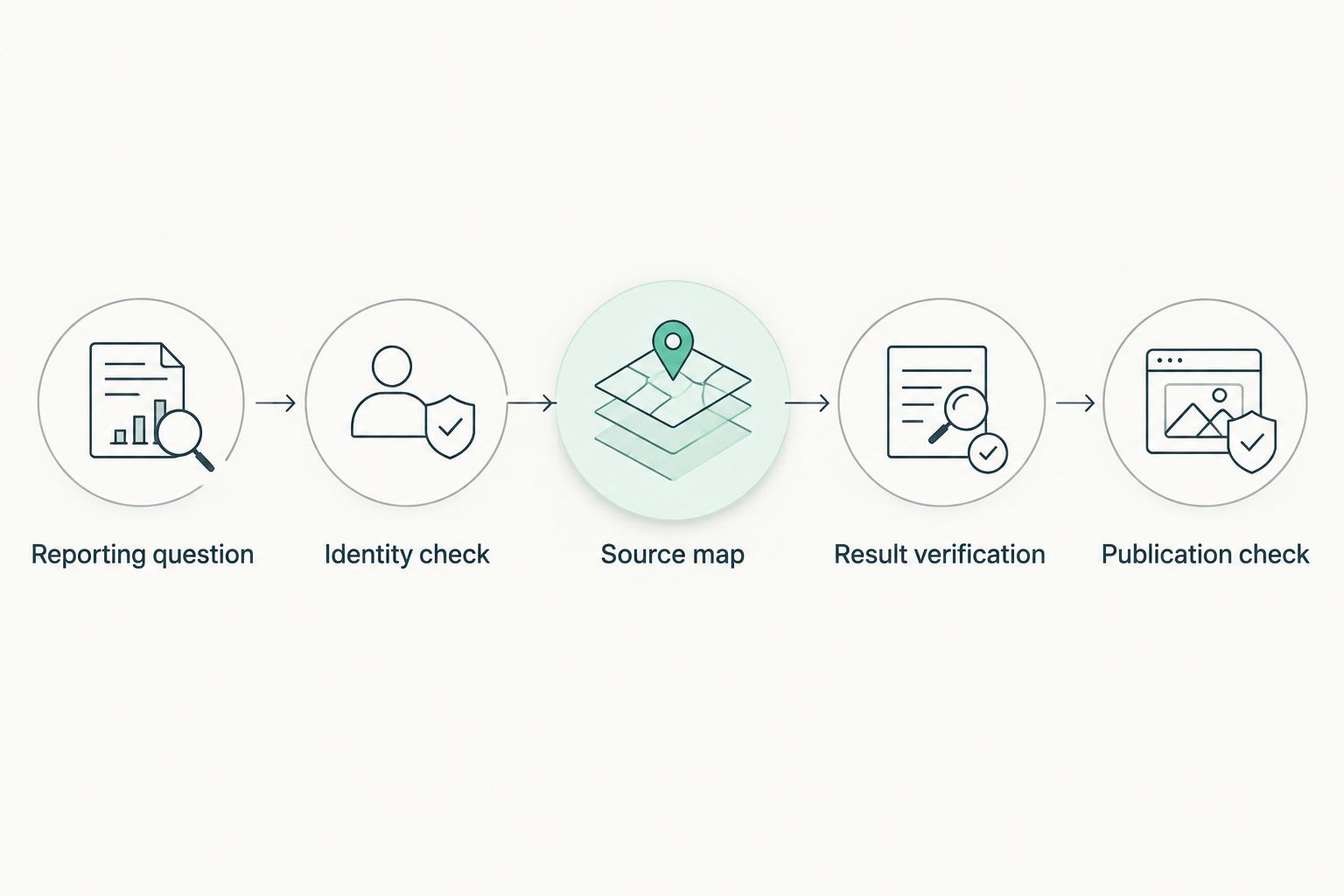
The manual route is to assemble a document linking each biographical detail to its source. Keep separate sections for identity, achievements, statistics, interview questions, and material needing permission.
Turksathletes athlete profiles offer a faster discovery route by presenting public profiles alongside achievements, statistics, and highlights. Use that starting point to decide which details deserve follow-up. Do not treat the presence of several content types as independent confirmation of the same claim.
For your 2026 reporting file, keep a 2-column source ledger: the claim on the left and its supporting record on the right. Add the date you checked the record so an editor can distinguish current reporting from older background.
- Record the exact claim rather than a loose summary.
- Identify whether its source is a profile, result, interview, or highlight.
- Locate the original result or announcement behind consequential claims.
- Mark unresolved statements as questions, not publishable facts.
- Preserve source wording when paraphrasing would change the meaning.
The source map should show a clear path from a discovery lead to a publishable statement. A profile helps you find the lead; the ledger shows what supports it.
Verify results in their competition context
Begin with the original competition record when it is accessible. Establish the event, date, round, category, and result before describing an achievement in your own words.
A finishing place and a performance mark answer different questions. A heat result is not a final result, and an individual statistic is not a team outcome. Comparisons need matching definitions, not simply similar-looking numbers.
For track and field, check the discipline, timing context, and any relevant wind information before describing a mark. For swimming, check the stroke, distance, and pool course. For team sports, establish whether the statistic covers a match, tournament, or season.
- Match the athlete to the correct event and competition date.
- Distinguish heats, qualifying rounds, finals, and overall standings.
- Keep personal bests separate from season bests and event results.
- Preserve units and competition categories in your notes.
- Confirm the scope of team-sport totals before comparing players.
- Attribute record claims to the authority maintaining the relevant record.
Interview for the gaps a profile cannot answer
Build your questions from the unresolved points in your source ledger. A useful interview establishes meaning, sequence, and context rather than asking the athlete to repeat an existing biography.
Ask what changed between the performances relevant to your story. Establish which goals the athlete states publicly and which details they prefer not to discuss. For young athletes, follow your publication’s safeguarding and consent procedures before interviews or publication of sensitive information.
A highlight can suggest a question about technique or decision-making. It cannot establish a player’s intentions, health, or experience without further reporting. Keep observation separate from interpretation.
- Ask the athlete to confirm their preferred name and current sporting role.
- Resolve conflicting dates, affiliations, or achievement descriptions.
- Request context for the specific performance your article covers.
- Ask who else can independently explain the relevant sporting development.
- Confirm quotation accuracy against your recording or contemporaneous notes.
- Avoid publishing unnecessary personal contact or location information.
Check the publication package
Before publishing, review the headline, captions, social copy, and body against the same source ledger. Accuracy does not stop at the main article: a caption can introduce an unsupported affiliation even when the body is correct.
Use a 100-word background note as an editorial exercise. Include only the identity, sporting context, and verified achievement necessary to understand the story. This limit forces you to distinguish useful background from an unfiltered list of accomplishments.
In 2026 coverage, state the actual competition date when an older result provides context. A current publication date does not make the underlying performance current.
- Recheck names, event labels, dates, and units against original records.
- Remove superlatives that lack a defined comparison and supporting evidence.
- Confirm permission or licensing for each image and video extract.
- Make captions identify the event depicted rather than assume it.
- Label historical achievements with their competition dates.
- Retain a correction trail when a published fact changes.
Compare your athlete-research options
Choose a source for the question it can answer. A profile supports discovery, a result establishes a recorded performance, and an interview supplies attributable explanation. None replaces the others.
Turksathletes athlete profiles fit the discovery stage of this workflow. Their advantage is the focus on Turks and Caicos athletes; their limitation is that a public profile cannot answer every question about a result, current affiliation, or reuse permission.
| Option | Best for | Main advantage | Key limitation |
|---|---|---|---|
| Turksathletes public profiles | Discovering Turks and Caicos athletes and background leads | Brings profiles, achievements, statistics, and highlights into the research process | Consequential claims still need original-source verification |
| Original competition results | Checking a recorded performance or placing | Establishes the result within a named competition | Does not explain the athlete’s experience or broader story |
| Direct athlete interviews | Understanding decisions, development, and stated goals | Provides attributable first-person context | Personal recollection does not independently verify every factual claim |
| Team or competition announcements | Checking announced affiliations and event information | Identifies what the issuing organization has stated | Represents the issuing organization’s account |
| Highlight footage | Identifying moments to investigate or discuss | Shows selected sporting actions | Selection does not establish full-match performance or reuse rights |
Start with the question, then select the source. If the question is who won, find the official result. If it is why an athlete changed an approach, ask the athlete and seek relevant corroboration.
Common mistakes sports journalists make with athlete profiles
Treating a profile as a current roster
A biographical reference does not establish that an athlete still represents a particular team. Confirm the relevant affiliation for your publication date, especially when discussing school, club, or national representation. Attribute an announcement if that is the evidence you have.
Turning island connections into eligibility claims
Birthplace, family connection, residence, and sporting representation are not interchangeable. Write the connection you have verified. Do not turn a general association with Turks and Caicos into a claim about eligibility or selection.
Publishing rankings without defining the comparison
Words such as best, fastest, and leading require a scope. Establish the event, category, period, and evidence before using them. A strong performance in one competition does not by itself establish an all-time ranking.
Treating highlights as a complete performance record
An edited sequence shows selected actions, not everything that happened. Use footage to identify a reporting lead or illustrate a verified moment. Do not calculate broader performance conclusions from a clip that lacks complete competition context.
Assuming public media is available for republication
Public visibility does not establish permission to reuse a photograph or video. Identify the rights holder and follow your publication’s clearance process. An athlete’s appearance in footage does not automatically establish ownership of that footage.
FAQ
Where should I start researching a Turks and Caicos athlete?
Start with a public athlete profile to identify background leads, then check original results and relevant announcements. Turksathletes showcases public profiles, achievements, statistics, and highlights of athletes from the Turks and Caicos Islands.
Can journalists use an athlete profile as their only source?
Do not use an athlete profile as the only source for consequential performance or biographical claims. Verify the relevant result, affiliation, or identity detail through original records or direct reporting.
How do I check whether a result belongs to the right athlete?
Match the name, sport or event, and team or competition context before combining records. Resolve differences in spelling, initials, or affiliations rather than assuming similar names identify the same person.
What should a journalist verify before calling an athlete a record holder?
Verify the record with the authority responsible for the relevant record category. Establish the event, category, performance conditions, and recognition status before publishing the claim.
Are athlete highlights enough to assess a player?
Selected highlights are not a complete performance record. Use them to identify actions worth investigating, then seek full competition context and relevant statistics before making broader assessments.
Can I republish a photograph from a public athlete profile?
Public access alone does not establish republication rights. Identify the rights holder and obtain the permission or license your intended use requires.
How should I use older achievements in a 2026 athlete story?
Give older achievements their actual competition dates and explain their relevance to the current story. Separate historical background from current affiliations, recent results, and upcoming events.
One last thing
Run a claim-only read before publication. Ignore the narrative and inspect every name, date, result, affiliation, and superlative as a separate statement needing support. Then ask whether the headline promises more than those statements establish.
For your next 2026 assignment, leave the source ledger open beside the draft. The strongest profile is not the one with the most achievements; it is the one whose relevant claims you can trace and explain.